

Uncategorized
Salvage value: How is it calculated? Swoop US

A third consideration how is sales tax calculated when valuing a firm’s assets is the liquidation value. Liquidation value is the total worth of a company’s physical assets if it were to go out of business and the assets sold. The liquidation value is the value of a company’s real estate, fixtures, equipment, and inventory. Book value and salvage value are two different measures of value that have important differences. Owing to these factors, the companies need to make the asset cost-efficient.
How to Calculate Salvage Value for Business and Personal Assets
- If the residual value assumption is set as zero, then the depreciation expense each year will be higher, and the tax benefits from depreciation will be fully maximized.
- Similarly, organizations use it to examine and deduct their yearly tax payments.
- On the other hand, underestimating salvage value could result in higher expenses than necessary.
- A higher net book value may enhance the asset base, which can be favorable when seeking financing.
- This $1,000 may also be considered the salvage value, though scrap value is slightly more descriptive of how the company may dispose of the asset.
- Salvage value is typically expressed as a percentage of the asset’s original cost.
- Assets that are still in high demand and have a long remaining useful life may not require depreciation consideration.
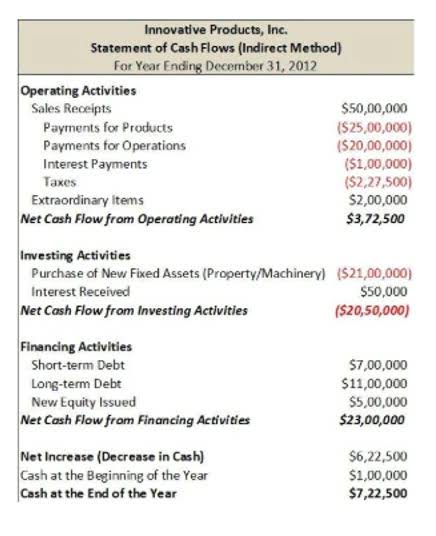
Depreciation is added back to net income when calculating cash flow from operations. A lower depreciation expense, resulting from a higher salvage Bookkeeping for Consultants value, can reduce cash flow from operations. On the balance sheet, salvage value contributes to an asset’s net book value, impacting a company’s financial position. A higher net book value may enhance the asset base, which can be favorable when seeking financing.
- Understanding how to calculate and apply salvage value is essential for accurate depreciation calculations, informed asset replacement decisions, and reliable financial reporting.
- Both refer to the estimated value of an asset at the end of its useful life.
- Any proceeds from the eventual disposition of the asset would then be recorded as a gain.
- The Salvage Value is the residual value of a fixed asset at the end of its useful life assumption, after accounting for total depreciation.
- Each method uses a different calculation to assign a dollar value to an asset’s depreciation during an accounting year.
- From there, accountants have several options to calculate each year’s depreciation.
- It spreads the decrease evenly over the asset’s useful life until it reaches its salvage value.
Salvage Value Template
Salvage value is used in financial reporting to calculate the depreciation of an asset over its useful life. It is reported on financial statements, such as the balance sheet and income statement, and can affect a company’s financial position and performance. Salvage value, also known as residual value or scrap value, is a critical concept in asset management that represents the estimated value of an asset at the end of its useful life.
AccountingTools
Depreciation expense is then calculated per year based on the number of units produced. This method also calculates depreciation expenses based on the depreciable amount. Salvage value, also known as residual value or scrap value, plays a crucial role in capital budgeting and financial decision-making.

In declining balance depreciation, businesses often ignore salvage value until the end of an asset’s life. A proper estimate of salvage value ensures a more accurate depreciation calculation, which helps businesses report their financials correctly. Book value is what the asset is worth on financial statements after depreciation. Residual value is a term sometimes used interchangeably with salvage value but may include additional estimated costs. Understanding these differences helps businesses plan better for asset disposal and financial reporting. In summary, the estimated salvage value of an asset is a critical consideration in financial planning, asset management, and capital budgeting.
2.1.4 Useful lives of defensive intangible assets
It impacts the calculation of depreciation expense, which in turn affects net income and tax liabilities. Furthermore, knowing the salvage value helps businesses in decision-making regarding asset replacement or disposal. Yes, salvage value influences tax calculations by affecting the total depreciation expense claimed over an asset’s useful life. Accurate salvage value estimates ensure compliance with tax regulations and prevent discrepancies in financial statements.
Each method uses a different calculation to assign a dollar value to an asset’s depreciation during an accounting year. Salvage value is the estimated amount that an asset can be sold or recovered for at the end of its useful life. It is a key component in calculating the depreciation of an asset, as it represents the asset’s remaining value after it has been fully depreciated. The salvage value can be influenced by various factors, including the asset’s condition, market demand, and technological advancements. If an asset is sold for more than its adjusted tax basis, the excess is subject to capital gains tax. Conversely, if the sale price is lower than the adjusted tax basis, the difference may be deductible as an ordinary loss, depending on the asset’s classification.

Companies determine the estimated after tax salvage value for anything valuable they plan to write off as losing value (depreciation) over time. Each company has its way of guessing how much something will be worth in the end. Some companies might say an item is worth nothing (zero dollars) after it’s all worn out because they don’t think they can get much. But generally, salvage value is important because it’s the value a company puts on the books for that thing after it’s fully depreciated. It’s based on what the company thinks they can get if they sell that thing when it’s no longer useful.
If market conditions change and similar vans are salvage value selling for only $3,000 after a decade, the estimated salvage value may have been too high. This accelerated depreciation method assumes assets lose more value in their early years. Since depreciation is calculated at a higher rate, businesses often set salvage value to zero for simplicity.