

Uncategorized
Notes Payable vs Accounts Payable: Difference and Comparison
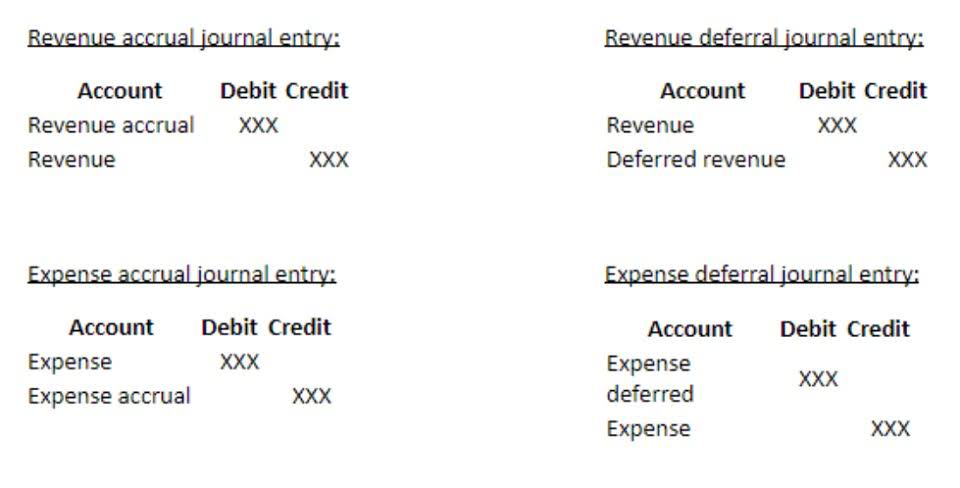
Unlike upfront payments, notes payable spreads the cost of significant purchases over time, ensuring businesses have sufficient liquidity for ongoing operational needs. Accounts payable allow businesses to procure essential goods and services without immediate cash outlay. By leveraging trade credit, companies can prioritize cash flow for day-to-day operational needs income statement while ensuring uninterrupted delivery of resources critical for production or service delivery.
Ready to save time and money?
To mitigate this issue, many businesses turn to AP automation software, which quickly catches mismatches between purchase orders, invoices, and receipts. Automating a three-way matching process eliminates the need for time-consuming manual checks, reduces human errors, and speeds up the resolution of disputes. If a company’s cash inflows don’t align with repayment schedules, it could face liquidity issues.
- Impact on Financial StatementsInterest costs on notes payable can cut into profitability, especially if debt levels climb too high.
- By leveraging trade credit, companies can prioritize cash flow for day-to-day operational needs while ensuring uninterrupted delivery of resources critical for production or service delivery.
- As businesses grow, managing more significant volumes of invoices and payments becomes more complex.
- Accounts payable are always short-term liabilities, directly influencing working capital and cash flow management.
- When the supplier delivers the goods it also issues a sales invoice stating the amount and the credit terms such as Due in 30 days.
- They outline how your cash will be allocated so that you can accomplish your financial goals.
- • Both notes payable and accounts payable are liabilities but differ in terms of formality, duration, and interest.
Payment Timeline
The right accounts payable software can take the pressure off by automating key workflows and improving visibility across your business. While both represent liabilities, they serve different purposes, impact cash flow differently, and require distinct accounting treatments. Notes payable is essential for business financing, providing access to the funds needed for growth, expansion, and major purchases.

Application Management
On the other hand, notes payable refers to a written promise to repay a lender a specific amount by a certain date. It often involves https://www.bookstime.com/articles/what-is-a-schedule-c larger sums, interest rates, and structured payment terms, making it a more formal and long-term liability. Notes payable can be classified as short-term (due within 12 months) or long-term liabilities on the balance sheet. Since they often involve large sums, they affect a company’s debt ratios and ability to secure future financing. Notes payable play a significant role in a company’s financial health and long-term strategy.
- Managing AP in adherence to tax laws and financial reporting standards protects the business from legal and regulatory risks.
- Accounts payable are recorded as a current liability on the company’s balance sheet.
- Today, with an automated solution, anyone on the AP staff could easily schedule payments in different methods, countries, and currencies without jumping to different applications or platforms.
- Discover the next generation of strategies and solutions to streamline, simplify, and transform finance operations.
- Here’s a side-by-side comparison of notes payable vs. accounts payable for easy reference.
Individuals and corporations occasionally lack the financial wherewithal to purchase the items they require, forcing them to do so on credit. These are referred to as “payables” provided to them by banks, financing businesses, and suppliers. Though accounts payable and notes payable both represent money owed, in many ways they are quite different. One key difference between the two is that accounts payable is always a short-term liability while notes payable can be either short-term or long-term liabilities. Notes payable are debts your company owes; they represent loans from a credit company or financial institution.

Cash flow management
- This presents an opportunity to extend payment terms with their suppliers, and introduce an early payment discount program to support suppliers who would like to be paid sooner.
- This guide explains the meaning, key differences, and examples of notes payable vs accounts payable to help your accounting team manage them effectively.
- Short-term liabilities are every business’ financial obligations to maintain proper and sustainable working capital management.
- A high accounts payable balance providing you with additional working capital, while a lower AP balance gives you less working capital to use for your business.
- (The lender record’s the borrower’s written promise in Notes Receivable.) Generally, the written note specifies the principal amount, the date due, and the interest to be paid.
They also tend to be longer term than accounts payable, often longer than a year. The main difference between accounts payable and notes payable is the degree of structured formality. Accounts payable tends to be informal and short-term, without a lot of detailed obligations outlined for the specific supplier. Notes payable, on the other hand, are always formal written contracts; they tend to be longer-term and to include more stipulations.

The other option is to take out a $20,000 loan at 5% interest paid over a five-year period, which would be notes payable. For example, if you hire a cleaning company to do a deep cleaning of the office and you receive an invoice on March 1st with a payment due date of March 31st, that is counted as accounts payable. In this article, we have shown accounts payable vs. notes payable in detail. In many cases, a company may be restricted from paying dividends or performing stock buybacks until the promissory note has been repaid.
Invoice processing (receipt and matching)
The promissory note is the written agreement with the terms and conditions of the debt clearly defined. Two common types of debt notes payable vs accounts payable that businesses often encounter are notes payable and accounts payable. But despite having very similar names, they vary greatly in what they are and how companies use them to accomplish their goals. Credit card debt is classified separately under short-term liabilities but doesn’t fall under notes payable since it doesn’t involve a promissory note agreement. Companies short on cash may issue promissory notes to vendors, banks, or other financial institutions to acquire assets or borrow funds. Effective accounts payable management is a crucial part of managing a company’s cash flow.